
Hearing Aids in Brisbane: Find the Right Solution for Your Lifestyle
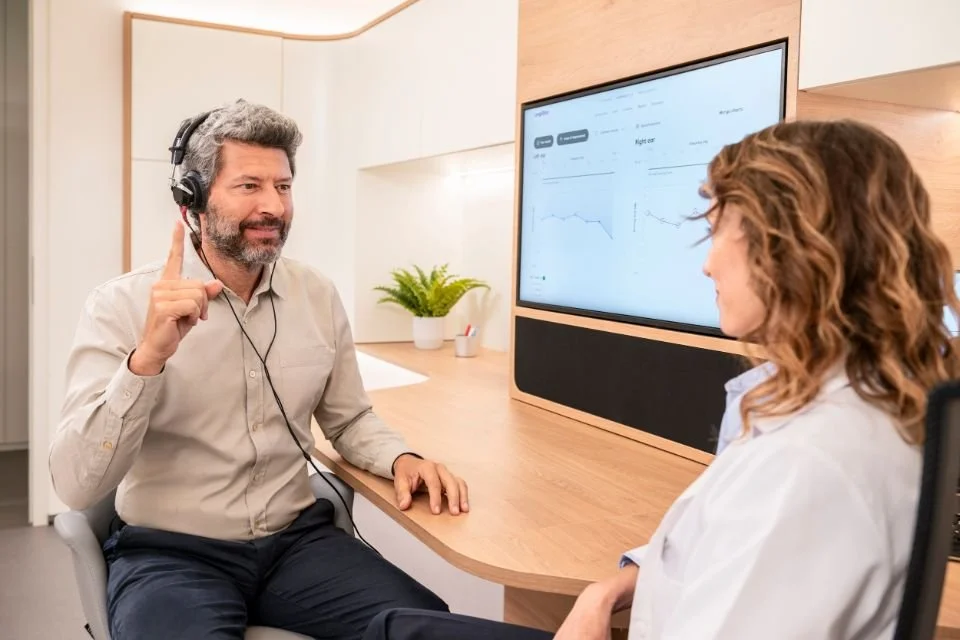
Hearing Aids can make a meaningful difference for people experiencing hearing loss by improving communication, increasing confidence, and supporting everyday independence. Choosing the right Hearing Aids is not simply about selecting a device. It involves understanding your hearing needs, lifestyle, daily listening environments, and long-term hearing goals. With advances in hearing technology, modern devices offer a wide range of features designed to help people hear conversations more clearly in different situations.
Whether hearing loss is mild, moderate, or more significant, today's hearing solutions are more discreet, comfortable, and adaptable than ever before. This guide explains how hearing aids work, the different options available, what to expect during the fitting process, and how to choose a solution that supports your everyday lifestyle.
Understanding hearing loss and its impact
Hearing loss affects people differently depending on its type, severity, and underlying cause. Some individuals struggle to hear quiet sounds, while others can hear voices but find it difficult to understand words, particularly in busy environments with background noise.
Many people gradually adapt to hearing changes without realising how much extra effort they are using to follow conversations. Over time, untreated hearing loss may affect communication at home, work, and during social activities. Regular hearing checks can help identify these changes early, allowing people to explore suitable management options before hearing difficulties begin affecting their overall wellbeing.
How hearing aids improve communication
Modern hearing devices are designed to amplify sounds in a balanced and personalised way rather than simply making everything louder. After a professional hearing assessment, devices are programmed according to an individual's hearing profile, ensuring speech becomes clearer while maintaining listening comfort.
Many users notice improvements in conversations with family, workplace communication, community activities, and everyday environmental awareness. Although hearing devices cannot restore natural hearing, they can significantly improve listening ability when professionally fitted and adjusted.
Who may benefit from hearing aids?
Hearing devices are suitable for many people experiencing hearing loss, but every situation is different. A comprehensive hearing assessment determines whether hearing devices are likely to provide meaningful benefit.
People who may benefit include:
Adults experiencing gradual hearing loss
Age-related hearing changes often develop slowly. Properly fitted hearing devices can improve everyday communication and reduce listening effort.
People exposed to long-term workplace noise
Construction workers, farmers, factory employees, musicians, and others regularly exposed to loud environments may experience noise-related hearing loss that benefits from professional hearing management.
Individuals finding conversations increasingly difficult
People who regularly ask others to repeat themselves or struggle to hear in noisy environments often benefit from personalised hearing support following professional assessment.
Types of hearing aids available
Modern hearing technology offers several device styles to suit different hearing needs, lifestyles, and cosmetic preferences. The most appropriate option depends on hearing ability, manual dexterity, comfort, and personal priorities rather than appearance alone.
Behind-the-ear devices sit comfortably behind the ear and connect to a custom earpiece or slim tube. These models are suitable for a wide range of hearing levels and often include advanced features.
Receiver-in-canal devices place the speaker inside the ear canal while the main component sits behind the ear. They are lightweight, discreet, and commonly recommended for many adults.
In-the-ear devices are custom-made to fit the individual's ear and may suit certain hearing needs depending on hearing results and ear anatomy.
Your hearing professional explains the advantages of each style and recommends suitable options based on your hearing assessment rather than personal preference alone.
Features of modern hearing technology
Today's digital hearing devices include sophisticated technology that automatically adjusts to changing listening environments throughout the day. These improvements help users experience clearer conversations without constantly changing settings manually.
Many modern devices include directional microphones that focus on speech, background noise reduction, rechargeable batteries, wireless connectivity with smartphones, television streaming, and personalised listening programmes. Available features vary depending on the device selected and individual hearing requirements.
The importance of professional fitting
Choosing suitable hearing devices is only one part of successful hearing care. Professional fitting ensures devices are programmed according to detailed hearing assessment results and adjusted for comfort, clarity, and everyday listening situations.
Several follow-up appointments are often required as new users adapt to amplified sounds. Fine-tuning during these appointments helps maximise speech understanding while ensuring long-term listening comfort.
What happens during the fitting process?
Receiving hearing devices is a gradual process designed to help users adjust comfortably. Most appointments involve careful explanation of device operation, maintenance, and realistic expectations.
The process usually includes:
Comprehensive hearing assessment and discussion of hearing needs.
Recommendation of suitable hearing solutions based on lifestyle and hearing results.
Professional fitting, programming, and instruction on daily use.
Follow-up appointments for adjustments and ongoing monitoring.
Regular reviews to ensure devices continue meeting changing hearing needs.
Each stage contributes to achieving better long-term hearing outcomes and greater confidence when using hearing devices.
Choosing hearing solutions for your lifestyle
Lifestyle plays an important role when selecting hearing technology. Someone who regularly attends business meetings may require different features from someone who enjoys outdoor activities or quiet home environments.
Your hearing professional considers communication priorities, work environments, hobbies, travel, physical activity, and personal preferences before recommending suitable options. This personalised approach helps ensure hearing devices support everyday life rather than simply improving hearing test results.
Caring for your hearing devices
Proper care helps hearing aids continue performing effectively while extending their lifespan. Daily cleaning and routine maintenance reduce the risk of performance issues and improve long-term reliability.
Simple care includes wiping devices with a soft, dry cloth, storing them safely when not in use, protecting them from excessive moisture, and attending regular maintenance appointments. Your hearing professional also checks the performance of your hearing aids during review appointments and recommends servicing or adjustments if required.
Common challenges during adjustment
Many first-time users expect immediate results, but adapting to amplified hearing takes time. The brain gradually relearns sounds that may not have been heard clearly for many years.
Initially, everyday sounds such as footsteps, running water, or paper moving may seem unusually noticeable. Regular use and follow-up appointments allow gradual adjustment while helping hearing professionals fine-tune settings for improved comfort and clarity.
Benefits of early hearing support
Seeking professional advice soon after noticing hearing changes offers several important advantages for communication and overall wellbeing.
Improved speech understanding
Early hearing management helps individuals participate more comfortably in conversations with family, friends, and colleagues before communication becomes increasingly difficult.
Greater confidence during everyday activities
Better hearing supports participation in social events, community activities, work environments, and family gatherings by reducing communication barriers.
Long-term hearing management
Regular reviews allow hearing professionals to monitor changes over time and adjust hearing devices as hearing needs evolve throughout different stages of life.
Understanding digital hearing devices
Modern hearing clinic Brisbane providers often recommend digital hearing devices because they process sounds using sophisticated computer technology that analyses incoming sound before delivering it to the ear. Unlike older analogue systems, digital processing provides more precise adjustments based on an individual's hearing profile.
This technology allows devices to adapt automatically as listening environments change throughout the day. Whether moving from a quiet home into a busy shopping centre or attending a family gathering, digital processing helps optimise speech clarity while reducing unnecessary background noise where possible.
Ongoing hearing care matters
Receiving hearing devices is only the beginning of the hearing journey. Regular follow-up appointments remain important because hearing needs can change gradually over time.
Review appointments allow hearing professionals to monitor hearing levels, adjust programming where required, answer questions about device performance, and provide practical communication advice. Ongoing care helps ensure hearing support continues meeting changing lifestyle requirements.
Choosing hearing care in Brisbane
Selecting a hearing provider involves more than comparing available devices. Clinical experience, comprehensive assessments, ongoing follow-up care, and personalised recommendations all contribute to successful long-term hearing management.
Selective Hearing provides comprehensive hearing assessments and personalised guidance to help individuals understand their hearing needs and explore appropriate hearing solutions. By combining professional assessment with continued follow-up care, people can make informed decisions that support better communication and long-term hearing health.
Frequently Asked Questions
-
A comprehensive hearing assessment determines whether hearing devices are suitable based on your hearing levels, communication challenges, and everyday listening needs.
-
Most hearing devices last between five and seven years, although lifespan depends on maintenance, usage, and technological developments.
-
Hearing devices cannot restore natural hearing, but they can significantly improve speech understanding and everyday communication when professionally fitted.
-
Yes. Many current devices include rechargeable batteries, automatic sound adjustments, and simple controls designed for everyday convenience.
-
Regular review appointments are recommended to monitor hearing changes, adjust programming if needed, and ensure the devices continue performing effectively.