
Hearing Clinic in Brisbane: Complete Hearing Care for Every Age
Good hearing supports communication, learning, confidence, and overall wellbeing throughout life. Choosing the right Hearing Clinic is one of the most important steps when you notice changes in your hearing or want to protect your long-term hearing health. Whether you need a routine hearing check, support for hearing loss, hearing aid guidance, or ongoing care, a professional clinic provides personalised solutions for children, adults, and older Australians. This guide explains how hearing care works, what services are available, and how an experienced team can help people of every age maintain better hearing and quality of life.
Why hearing health matters at every stage of life
Hearing changes can occur gradually or suddenly. Some people notice difficulty following conversations, while others experience ringing in the ears or find themselves turning up the television volume more often. For children, hearing difficulties may affect speech, language development, and learning. For working adults, untreated hearing loss can make communication more challenging in meetings and social situations. Older adults may experience hearing changes as a natural part of ageing.
Early assessment allows hearing concerns to be identified before they begin affecting everyday life. Regular hearing checks also help establish a baseline, making it easier to monitor changes over time.
What you can expect during a hearing assessment
A comprehensive hearing appointment involves more than simply checking whether you can hear different sounds. Hearing professionals take the time to understand your hearing history, medical background, lifestyle, and communication needs before recommending suitable care.
Most appointments include:
A discussion about your hearing concerns
Your hearing history, daily listening environments, workplace exposure, and family history all provide valuable information that helps determine the most appropriate assessment.
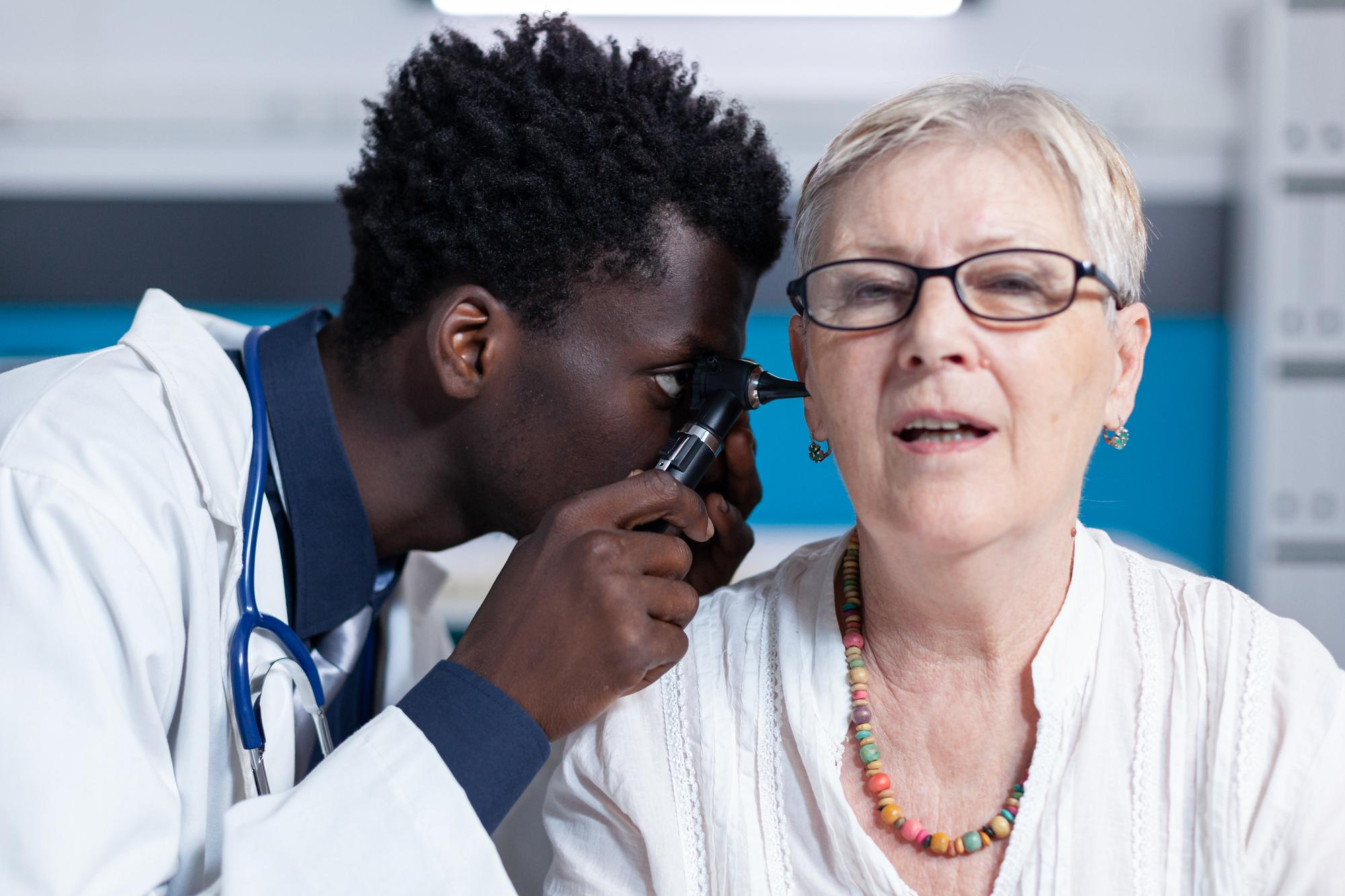
Ear examination
The clinician checks your ears for wax build-up, infection, or other conditions that may affect hearing before conducting hearing tests.
Comprehensive hearing tests
Different tests measure your ability to hear speech, recognise different sound frequencies, and understand conversations in both quiet and noisy environments.
Following the assessment, results are explained in plain language so you understand your hearing profile and any recommended next steps.
Hearing care for children
Children rely on good hearing to develop speech, language, learning, and social skills. Even mild hearing difficulties may affect classroom participation and communication with family and friends.
Parents should consider arranging an assessment if their child:
Frequently asks people to repeat themselves.
Has delayed speech or language development.
Turns electronic devices up louder than others.
Appears inattentive in conversations.
Has recurring ear infections.
Early diagnosis allows children to receive timely support, helping minimise the impact on learning and development.
Hearing support for adults
Adults experience hearing changes for many different reasons. Ageing is one factor, but exposure to workplace noise, loud recreational activities, certain medications, illnesses, and genetics can also contribute.
Many adults delay seeking help because hearing loss often develops gradually. Family members are often the first to notice communication difficulties.
At Selective Hearing, we encourage early professional hearing assessments to help improve communication at home, work, and in social settings. Identifying hearing changes early can reduce unnecessary frustration and support better long-term hearing health.
Hearing care for older Australians
Age-related hearing loss is common, but it should never be considered something that simply has to be accepted. Modern hearing management focuses on maintaining independence and improving everyday communication.
Better hearing can contribute to:
Improved conversations with family and friends.
Greater confidence in community activities.
Safer awareness of environmental sounds.
Reduced communication fatigue.
Improved overall quality of life.
Regular monitoring ensures hearing solutions continue meeting changing needs over time.
Understanding different hearing services
Every person's hearing journey is unique. An experienced clinic offers a range of hearing services that can be tailored according to individual circumstances rather than applying a single solution for everyone.
Services may include hearing assessments, hearing aid fitting, hearing aid adjustments, ongoing reviews, earwax management where appropriate, communication advice, and hearing protection recommendations.
Treatment plans are designed around lifestyle, occupation, hobbies, and long-term hearing goals.
The role of hearing specialists
Qualified hearing specialists combine clinical knowledge with practical experience to evaluate hearing concerns accurately. Their role extends beyond testing hearing.
They help patients understand test results, explain available treatment options, recommend suitable hearing devices when appropriate, provide ongoing adjustments, and monitor hearing changes over time.
Long-term care often produces better outcomes because hearing needs may evolve as circumstances change.
Benefits of visiting an independent clinic
Choosing an independent audiology clinic allows patients to receive recommendations based on their individual hearing needs rather than being limited to one manufacturer or treatment approach.
Independent practices often focus on personalised assessments, unbiased hearing aid recommendations, ongoing support, and continuity of care with familiar clinicians.
Patients can discuss different technologies, features, and budget options before making informed decisions.
Supporting long-term hearing healthcare
Hearing health is not limited to treating hearing loss. Effective hearing healthcare also includes prevention, monitoring, education, and regular follow-up care.
Maintaining healthy hearing may involve:
Avoiding prolonged exposure to excessive noise.
Using appropriate hearing protection in noisy workplaces.
Scheduling routine hearing assessments.
Managing ear health promptly when symptoms develop.
Keeping hearing devices properly maintained.
Small preventive steps can help preserve hearing for many years.
Hearing aids and personalised solutions
Modern hearing aids offer advanced technology that adapts to different listening environments. Today's devices are smaller, more comfortable, and capable of improving speech understanding in many everyday situations.
Choosing suitable hearing technology depends on several factors including:
Degree of hearing loss.
Lifestyle and daily listening environments.
Manual dexterity.
Connectivity preferences.
Personal budget.
Professional guidance helps ensure hearing devices are fitted correctly and adjusted to provide comfortable listening experiences.
Common signs you should arrange a hearing assessment
Many people live with hearing difficulties for years before seeking professional advice. Recognising early signs allows timely assessment and management.
Some common indicators include:
Having trouble understanding conversations in busy places.
Frequently increasing television or radio volume.
Asking people to repeat themselves regularly.
Difficulty hearing on the telephone.
Feeling exhausted after long conversations.
Noticing ringing or buzzing sounds in the ears.
Ignoring these symptoms may allow hearing difficulties to become more noticeable over time.
Hearing care beyond hearing tests
Effective hearing support continues well after the initial appointment. Ongoing follow-up appointments allow hearing professionals to monitor changes, adjust hearing devices when needed, answer questions, and provide practical communication strategies.
Patients often benefit from learning techniques that improve conversations in challenging listening environments such as restaurants, workplaces, community events, and family gatherings.
Consistent follow-up also helps hearing devices continue performing at their best.
Supporting families through the hearing journey
Hearing changes often affect the entire family. Partners, children, and carers all play an important role in supporting communication.
Families can help by speaking clearly, reducing background noise where possible, maintaining eye contact during conversations, and encouraging regular hearing appointments.
Education helps everyone understand hearing loss and adapt communication styles without creating unnecessary frustration.
Choosing a Brisbane hearing provider
When comparing hearing providers, it is helpful to look beyond location alone. Experience, qualifications, available services, follow-up care, and patient-centred support all contribute to positive long-term outcomes.
Consider asking about:
Clinical experience and qualifications.
Range of assessment services.
Access to different hearing aid brands.
Review and follow-up appointments.
Support for children, adults, and seniors.
Choosing the right hearing clinic is an investment in your long-term hearing health. If you have questions or would like personalised guidance, contact us to speak with our experienced team. At Selective Hearing, we're committed to providing expert hearing care and ongoing support for every stage of life.
Your hearing journey with Selective Hearing
Selective Hearing provides comprehensive hearing assessments and ongoing support for people of all ages. Every person's hearing needs are different, which is why care begins with understanding individual concerns before developing a personalised management plan.
Whether someone requires routine hearing monitoring, guidance on hearing technology, or continued hearing support, informed clinical advice helps individuals make confident decisions about their hearing health.
As hearing needs change over time, regular reviews help ensure hearing solutions continue supporting everyday communication, independence, and wellbeing.
Frequently Asked Questions
-
Most adults should have their hearing assessed every few years. People over 60, those exposed to workplace noise, or anyone noticing hearing changes may benefit from more frequent assessments.
-
In most cases, you can book an appointment directly without a referral. Some government-funded programs or specialist services may have different requirements.
-
A comprehensive hearing assessment generally takes between 45 and 60 minutes, depending on your hearing history and the tests required.
-
Not every type of hearing loss can be prevented, but protecting your ears from excessive noise, managing ear health, and attending regular hearing checks can reduce certain risks.
-
Your clinician will explain your results, discuss suitable hearing aid options if needed, arrange professional fitting, and provide ongoing adjustments and follow-up care to help you achieve the best possible hearing outcomes.