
Rechargeable Hearing Aids vs Battery Models Compared
Hearing Aids have transformed the way people manage hearing loss, offering clearer communication and greater confidence in everyday life. As hearing technology has continued to evolve, one of the biggest decisions people now face is choosing between rechargeable devices and traditional battery powered models. Both options are designed to improve hearing, but they differ in how they are powered, maintained, and used on a daily basis. Some people value the convenience of charging their devices overnight, while others prefer the flexibility of replacing disposable batteries whenever required. The right choice depends on several factors, including lifestyle, daily routine, hearing requirements, hand dexterity, travel habits, and personal preferences. Before making a decision, it is important to understand how each option works, the advantages and limitations of both systems, and what to consider for long term use. Comparing these features allows individuals to make an informed decision based on practical needs rather than assumptions.
Understanding Modern Hearing Devices
Hearing technology has changed significantly over the past decade. Modern devices are smaller, more comfortable, and equipped with advanced sound processing designed to improve listening in a wide variety of environments. Whether powered by rechargeable technology or disposable batteries, today's hearing devices aim to support clearer conversations, improved speech understanding, and greater listening comfort. People exploring hearing aids South Brisbane providers can benefit from professional guidance to help select technology that matches their hearing needs and lifestyle.
While sound quality and hearing performance remain the primary priorities, the power source has become an important consideration for many users. Some people appreciate the simplicity of charging their devices each night, while others value being able to carry spare batteries during long days away from home. Understanding these differences helps narrow the options before selecting a suitable hearing solution.
Rechargeable and Battery Models Explained
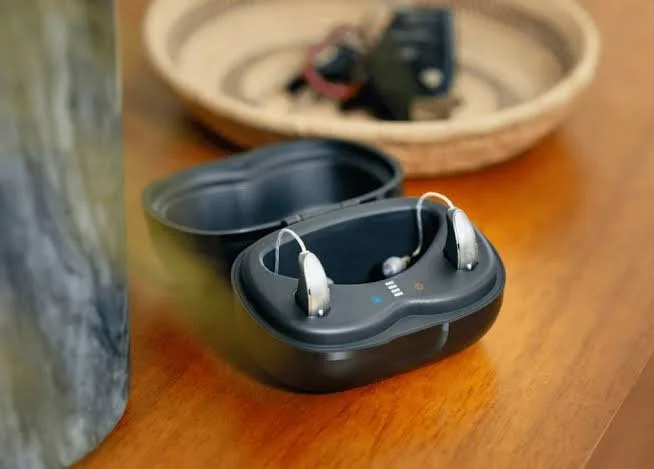
Rechargeable models contain built in rechargeable batteries that are placed into a charging unit when not in use. Similar to charging a mobile phone, the devices are usually left in the charger overnight and are ready for use the following morning. Many modern rechargeable models provide enough power to last an entire day under normal listening conditions.
Traditional battery powered models use small disposable hearing aid batteries that need replacing after several days or weeks depending on battery size, hearing device settings, and daily usage. Users simply remove the old battery and insert a new one when power runs low. Although this system has been used successfully for many years, it requires users to keep spare batteries available.
Convenience in Everyday Life
For many people, convenience plays a major role when choosing hearing devices. Rechargeable technology removes the need to regularly purchase, store, and replace disposable batteries. Instead, charging becomes part of a simple nightly routine, reducing the likelihood of unexpectedly running out of power during the day.
Battery powered models, however, provide flexibility that some users appreciate. If a battery becomes flat while travelling or spending extended time away from home, it can usually be replaced within minutes. This may be beneficial for people who spend long periods outdoors, travel frequently, or have limited access to electricity.
Neither option is universally better. The most suitable choice depends on individual routines and personal preferences.
Comparing Battery Life
Battery life is one of the most common questions people ask before choosing hearing devices. Rechargeable batteries are designed to provide a full day's use after an overnight charge under typical conditions. Factors such as streaming audio, phone connectivity, and listening environments may influence daily battery performance.
Disposable batteries operate differently because they are replaced rather than recharged. Depending on battery size and daily usage, they may last several days before requiring replacement. Keeping spare batteries available helps ensure uninterrupted hearing throughout the day. Hearing aid specialists Brisbane can also provide practical advice on battery selection, replacement schedules, and routine device care to help maintain reliable performance.
Understanding your typical daily routine can help determine which battery system is likely to suit your needs.
Benefits of Rechargeable Models
Many people choose rechargeable technology because of its convenience and ease of use.
Simple daily charging: Charging hearing aids overnight creates a straightforward routine without the need to frequently replace small batteries. This can be especially useful for people with reduced hand strength or limited finger dexterity.
Fewer battery replacements: Because rechargeable devices use built in batteries, there is no need to regularly purchase or dispose of disposable batteries, making day to day management simpler.
Easy overnight preparation: Placing hearing devices in their charger before bedtime means they are typically ready for use the next morning without additional preparation.
Benefits of Battery Powered Models
Traditional battery models continue to suit many hearing aid users.
Quick battery replacement: Replacing hearing aid batteries takes only a few moments, allowing users to continue their day without waiting for charging.
Suitable for extended travel: People travelling for long periods without reliable access to electricity may find disposable batteries more practical. At Selective Hearing, individuals can receive professional advice on choosing the battery option that best suits their lifestyle, travel habits, and everyday hearing needs.
Wide battery availability: Replacement batteries are commonly available through hearing providers and many retail outlets, making them relatively easy to obtain when needed.
Factors to Consider Before Choosing
Selecting the right hearing solution involves more than comparing battery types alone. Several personal factors influence which option may be the most practical.
Consider your daily routine and lifestyle.
Think about how comfortable you are replacing small batteries.
Estimate how often you travel.
Consider whether overnight charging fits your routine.
Discuss battery life expectations with your hearing professional.
Think about long term maintenance requirements.
Consider your hearing needs and device features.
Ask questions during your hearing assessment.
Learn how each device operates before making a decision.
Choose the option that best supports your everyday communication.
Making an Informed Decision
Choosing between rechargeable and disposable battery models is not simply about convenience. Both options offer reliable performance when used correctly, and each has advantages depending on individual circumstances. Someone who enjoys a consistent daily routine may appreciate overnight charging, while another person who frequently travels may prefer the reassurance of carrying spare batteries.
A comprehensive hearing assessment provides an opportunity to discuss lifestyle, communication needs, hearing goals, and practical considerations before selecting suitable hearing technology. Understanding how different power options fit into your daily life often leads to greater long term satisfaction.
Conclusion
Rechargeable and battery powered hearing devices both provide effective hearing support, but each offers different advantages depending on personal needs and daily habits. Rechargeable models are valued for their convenience, straightforward charging routine, and reduced need for battery replacement, while traditional battery models continue to provide flexibility and dependable performance for many users.
Taking the time to compare battery life, maintenance requirements, travel considerations, and everyday convenience helps individuals make a confident and informed decision. By discussing your lifestyle, hearing goals, and preferences with a qualified hearing professional, you can choose a hearing solution that supports comfortable listening and reliable performance over the long term.
Frequently Asked Questions
-
Most rechargeable models provide enough power for a full day after overnight charging, while disposable batteries usually last several days before replacement.
-
Yes. Most users simply place them in a charging unit overnight.
-
It depends on the battery size and daily usage, but they generally last several days.
-
Yes, although access to electricity for charging should be considered during longer trips.
-
The best choice depends on your lifestyle, hearing needs, and personal preference.