
What Does an Audiologist Do and When Should You See One?
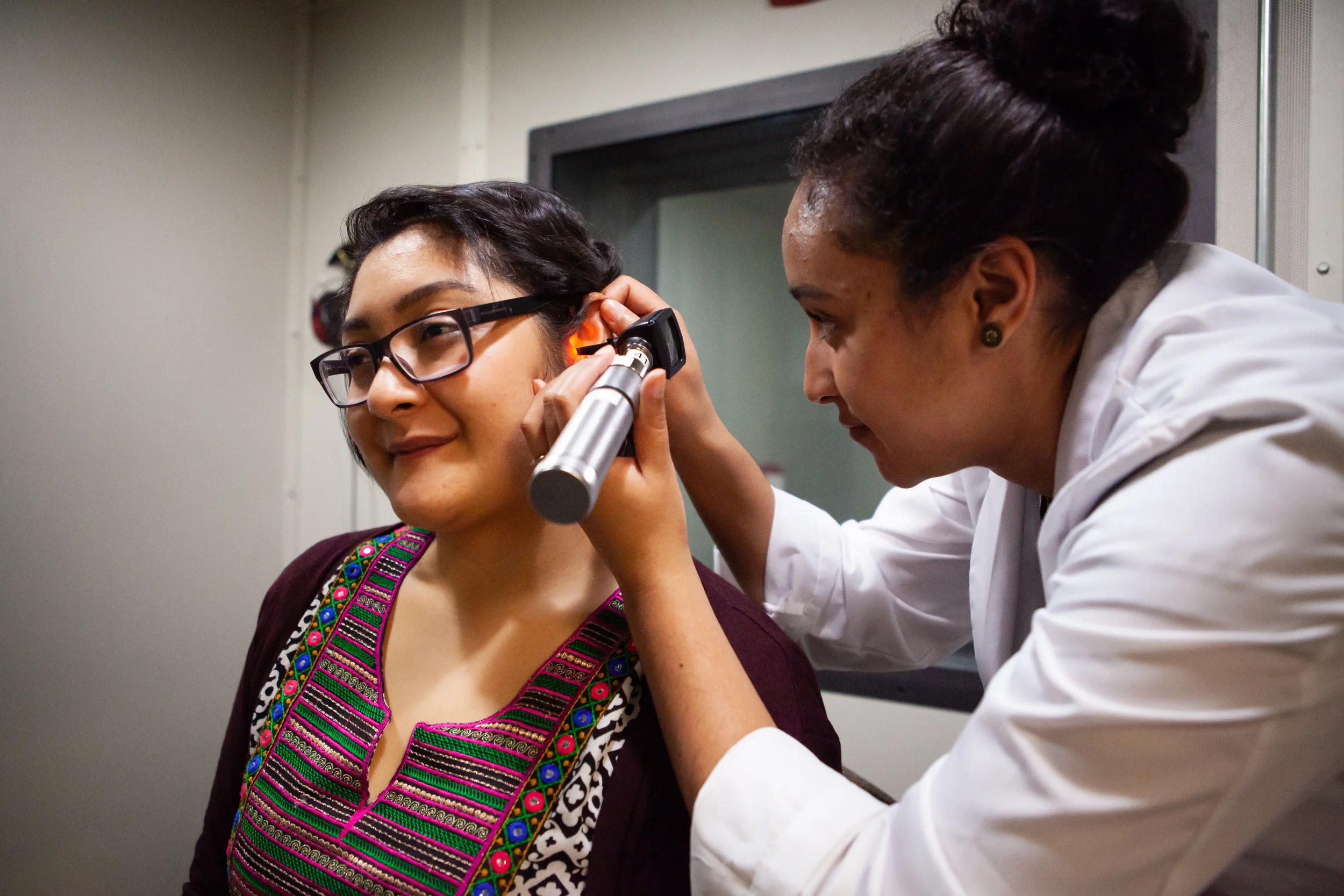
An Audiologist is a qualified hearing healthcare professional who specialises in assessing hearing, identifying hearing-related conditions, and providing personalised care to support better communication and long-term hearing health. Many people assume they only need to visit an Audiologist when hearing loss becomes severe, but hearing changes often develop gradually and may go unnoticed for years. Seeking professional advice early can help detect concerns before they begin affecting everyday life.
Whether you have noticed difficulty following conversations, persistent ringing in the ears, or changes in your hearing after years of workplace noise exposure, understanding the role of an Audiologist can help you make informed decisions about your hearing health. This guide explains what audiologists do, the conditions they manage, and when it may be time to arrange a professional assessment.
Understanding the role of an audiologist
An audiologist Brisbane residents trust focuses on evaluating hearing and balance-related concerns using specialised clinical knowledge and diagnostic equipment. Their work involves much more than conducting hearing tests. They assess how well a person hears, investigate possible causes of hearing changes, recommend appropriate management options, and provide ongoing support where required.
Audiologists work with people of all ages, from young children to older adults. Every patient has different communication needs, lifestyles, and hearing goals, so assessments and treatment plans are tailored to the individual rather than following a single approach for everyone.
Why hearing health deserves attention
Good hearing plays an important role in communication, learning, employment, relationships, and overall wellbeing. When hearing begins to change, even slightly, people may experience frustration during conversations or avoid social situations without fully understanding why.
Many hearing conditions develop slowly, making them difficult to recognise. Regular hearing assessments help establish a baseline and allow professionals to monitor changes over time. Early identification often makes managing hearing concerns more effective and helps individuals maintain confidence in daily communication.
What conditions does an audiologist assess?
Audiologists assess a wide range of hearing and balance concerns. Their role is to determine whether symptoms are related to hearing loss, ear conditions, or other underlying factors that may require additional investigation.
Some common conditions include:
Hearing loss: Audiologists identify different types and degrees of hearing loss through comprehensive assessments. Understanding the cause helps guide appropriate management and ongoing monitoring.
Tinnitus: Persistent ringing, buzzing, humming, or other sounds in the ears may indicate tinnitus. An assessment helps determine whether hearing changes are contributing to these symptoms.
Balance-related concerns: Some hearing conditions can affect balance because the hearing and balance systems are closely connected within the inner ear. Audiologists may perform specific assessments before recommending further care if required.
How an audiologist performs a hearing assessment
A hearing assessment is designed to gather a complete understanding of your hearing health rather than simply determining whether you can hear sounds. Each appointment begins with a discussion about your hearing concerns, medical history, workplace noise exposure, medications, and family history.
The clinician then performs several clinical assessments using calibrated equipment. These tests measure hearing sensitivity across different sound frequencies, speech understanding, and overall hearing performance. Results are carefully explained so patients understand both their hearing ability and any recommendations for future care.
When should you see an audiologist?
Many people delay seeking professional advice because they assume hearing changes are simply part of ageing. However, arranging an assessment sooner rather than later allows hearing concerns to be identified before they begin affecting daily communication.
You should consider arranging an appointment if you experience persistent hearing changes, difficulty understanding conversations, ringing in the ears, or concerns raised by family members. Regular hearing monitoring is also recommended for people exposed to noisy workplaces or recreational activities.
Signs that should not be ignored
Some hearing changes develop gradually while others appear more suddenly. Paying attention to these early warning signs can help you seek advice before communication becomes more difficult.
You regularly ask people to repeat themselves.
Conversations become difficult in noisy places.
You increase the television or radio volume more than others prefer.
Family members notice your hearing changing.
Ringing or buzzing sounds occur regularly in your ears.
These symptoms do not always indicate permanent hearing loss, but they should be professionally assessed to determine the underlying cause.
The importance of hearing diagnosis
A proper hearing diagnosis provides much more than confirmation that hearing has changed. It identifies the type, degree, and possible cause of hearing difficulties, allowing management recommendations to be based on accurate clinical findings.
Some hearing problems are temporary and may result from wax build-up, infection, or other treatable conditions. Others may require ongoing monitoring or hearing support. Accurate diagnosis ensures the most appropriate pathway is followed.
Supporting long-term ear health
Looking after ear health involves more than treating hearing loss. Healthy ears contribute to clear communication, environmental awareness, and overall quality of life throughout every stage of life.
Regular hearing checks, prompt treatment of ear infections, protecting ears from excessive noise, and seeking advice when symptoms develop all contribute to maintaining healthy hearing over the long term.
Hearing technology and ongoing support
When hearing devices are appropriate, audiologists help patients understand the available technology and select solutions that match their communication needs, daily routines, and personal preferences.
Modern hearing devices offer advanced features designed to improve speech understanding across different listening environments. Ongoing appointments allow adjustments to be made as hearing needs or lifestyles change, ensuring hearing support remains effective over time.
Who can benefit from visiting an audiologist?
People often associate hearing care with older adults, but hearing concerns can affect individuals of any age. Children, teenagers, working adults, and seniors may all benefit from professional hearing assessments depending on their circumstances.
People with long-term exposure to loud workplaces, musicians, construction workers, farmers, factory employees, and anyone with a family history of hearing loss should consider regular hearing monitoring even when symptoms are not obvious. A dedicated hearing health team can provide ongoing assessments, personalised advice, and early intervention to help protect your hearing for years to come.
Benefits of professional hearing care
Seeking care from a qualified hearing healthcare professional provides several important advantages that support both immediate and long-term hearing wellbeing.
Accurate clinical assessment
Professional equipment provides reliable information about hearing ability and helps identify concerns that may not be noticeable during everyday conversations.
Personalised management
Recommendations are based on your hearing results, communication needs, lifestyle, and long-term hearing goals rather than a standard approach.
Ongoing monitoring
Regular follow-up appointments allow hearing changes to be tracked over time and ensure hearing management continues to meet your needs.
How hearing care supports everyday life
Good hearing contributes to much more than simply recognising sounds. It supports communication with family, participation in work, enjoyment of hobbies, confidence during social situations, and awareness of surrounding environments.
When hearing concerns are identified early, individuals often find conversations become easier, listening effort decreases, and overall confidence improves. Maintaining hearing health also supports continued independence throughout different stages of life.
Preparing for your first appointment
Many people feel uncertain before their first hearing assessment, but preparation is straightforward. Consider noting when your hearing concerns began, situations where communication becomes difficult, any medications you take, previous ear conditions, and whether family members have noticed hearing changes.
Sharing this information allows your clinician to gain a clearer understanding of your hearing history and tailor the assessment accordingly. Open communication also helps ensure recommendations reflect your individual lifestyle and hearing priorities.
Choosing professional hearing care
Selecting the right hearing provider involves considering qualifications, clinical experience, available assessment services, and ongoing follow-up care rather than focusing only on location.
Selective Hearing supports individuals through every stage of their hearing journey by providing comprehensive hearing assessments, clear explanations of results, and ongoing guidance based on each person's unique hearing needs. Access to reliable information and personalised care helps people make informed decisions about protecting their hearing health for the future.
Frequently Asked Questions
-
An audiologist assesses hearing loss, tinnitus, balance-related concerns, and communication difficulties, and provides hearing assessments, hearing management, and ongoing hearing care.
-
In most cases, you can arrange an appointment directly without a referral, although some healthcare programs may have specific requirements.
-
A comprehensive hearing assessment usually takes between 45 and 60 minutes, depending on your hearing history and the tests required.
-
Yes. Audiologists assess hearing concerns in people of all ages, including infants, children, teenagers, adults, and older Australians.
-
Adults should consider routine hearing assessments every few years, while older adults, people exposed to loud noise, or anyone experiencing hearing changes may require more frequent monitoring.