
What to Expect During Your First Visit to a Hearing Clinic
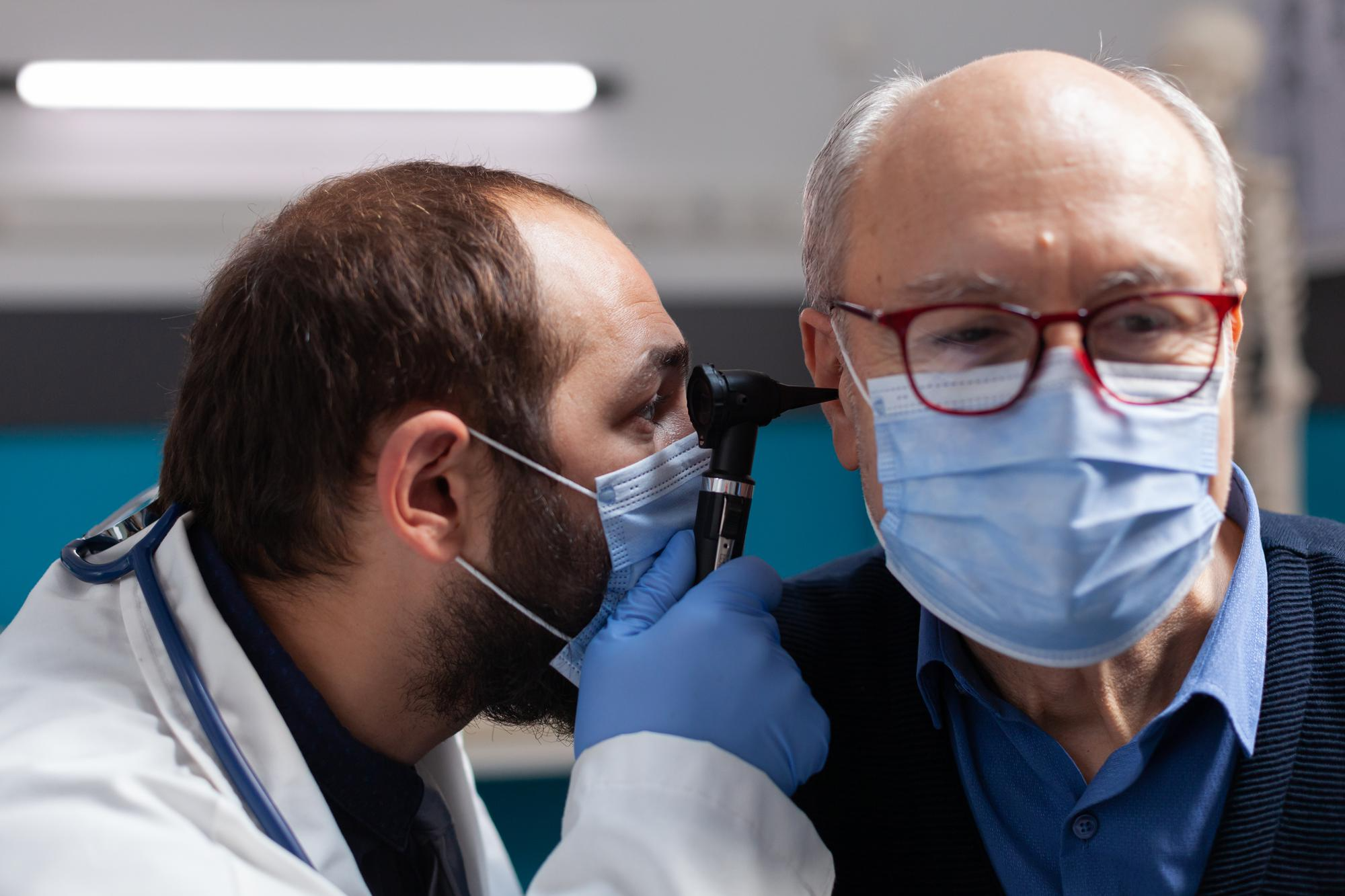
Visiting a Hearing Clinic for the first time can feel unfamiliar, especially if you have never had your hearing checked before or are unsure what an audiology appointment involves. A Hearing Clinic appointment is generally a simple process that gives you an opportunity to discuss your concerns, learn more about your hearing and complete an appropriate hearing assessment. A Hearing Clinic can also help you understand whether changes in your hearing may be affecting conversations, work, social activities or other parts of everyday life. Knowing what to expect can make your first visit feel more comfortable and help you prepare for the questions you may want to ask.
At Selective Hearing, we understand that people attend their first appointment for many different reasons. You may have noticed that people are speaking less clearly, you regularly ask others to repeat themselves or you find it harder to follow conversations when there is background noise. Sometimes, a family member or friend notices changes before you do. Your first hearing consultation provides an opportunity to explain these concerns, discuss your hearing history and complete an assessment that can provide a clearer picture of how you hear different sounds.
Why Should You Visit a Hearing Clinic?
Hearing changes can happen gradually, which means they may not always be obvious at first. You may simply turn the television up slightly, ask people to speak louder or find yourself watching people's faces more closely during conversations. Over time, these small changes can become part of your normal routine, making it difficult to recognise how much your hearing has changed. A hearing assessment at a hearing clinic South Brisbane can provide objective information about your hearing and help you understand whether there are areas where you may be having difficulty.
A visit to a Hearing Clinic is not only about identifying hearing loss. It is also an opportunity to discuss how you communicate in different environments and whether you have noticed any other changes involving your ears or hearing. Your hearing professional can use this information alongside your assessment results to provide a more complete understanding of your hearing needs.
Common Reasons People Book an Appointment
People can have very different reasons for arranging a hearing consultation. Some may be responding to a gradual change, while others may have concerns following regular exposure to loud sounds or a previous ear related problem. There is no need to wait until hearing difficulties become severe before discussing them with a hearing professional.
Some common reasons for arranging an appointment include:
Difficulty following conversations: You may find it harder to understand what people are saying, particularly when several people are speaking or there is background noise.
Increasing the television volume: Regularly turning up the television or radio may be a sign that you are finding certain sounds more difficult to hear.
Asking people to repeat themselves: Frequently asking others to repeat what they have said can indicate that conversations are becoming more difficult to follow.
Difficulty hearing on the telephone: Phone conversations can become challenging when you cannot rely on facial expressions or lip movements to support understanding.
These experiences do not automatically mean that you have hearing loss. They are simply reasons why you may benefit from discussing your hearing with a qualified professional.
What Happens During Your First Hearing Consultation?
Your first hearing consultation will generally begin with a conversation about your hearing rather than immediately moving into testing. The hearing professional may ask when you first noticed changes, which situations are most difficult and whether your hearing concerns affect your everyday communication. This discussion gives you an opportunity to describe your experiences in your own words.
You may also be asked about previous hearing tests, ear problems, exposure to loud environments and whether anyone in your family has experienced hearing difficulties. Depending on your circumstances, other health information may also be relevant. Providing clear and honest information can help your hearing professional understand your concerns and determine which assessments may be appropriate.
Discussing Your Everyday Hearing
It can be useful to think about specific situations where hearing becomes difficult before attending your appointment. For example, you might hear one person clearly when sitting in a quiet room but struggle to understand several people talking at a restaurant. You may also notice difficulties during meetings, family gatherings, phone calls or when someone speaks from another room.
Explaining these situations can help your hearing professional understand how your hearing affects your daily life. If hearing aids are discussed as a possible option, asking about affordable hearing aids Brisbane may also help you understand the available choices and how they could suit your communication needs. Two people can have similar hearing test results but experience hearing difficulties in very different ways depending on their work, lifestyle and communication needs.
Your Hearing History
Your hearing history is an important part of the first appointment because it provides background information that may help explain your current concerns. You may be asked whether you have previously had your hearing tested, used hearing devices or experienced ear infections, injuries or other ear related problems. Your history of exposure to loud sounds may also be discussed.
Regular exposure to loud machinery, music, power tools or other noisy environments can be relevant when considering hearing changes. Your hearing professional may also ask whether your hearing difficulties developed suddenly or gradually. This information can help determine what further assessment or advice may be appropriate.
Why Your History Matters
Hearing difficulties can have different causes, so your current symptoms should be considered alongside your hearing history. Previous ear problems, long term noise exposure and other factors may all provide useful context, but they do not necessarily explain every hearing concern.
The purpose of discussing your history is to give your hearing professional a broader understanding of your situation. Your answers, combined with the results of the hearing assessment, can help guide the discussion about your hearing.
What Is a Hearing Assessment?
A hearing assessment involves a series of tests used to measure how well you hear different sounds. The exact tests included can vary depending on your age, symptoms, hearing history and the type of information your hearing professional needs. Standard hearing tests are generally straightforward and do not require complicated preparation.
During the assessment, you may be asked to listen to different sounds and respond when you hear them. The sounds can vary in pitch and volume, allowing the hearing professional to understand how well you detect different frequencies. Testing is normally carried out in a controlled environment so that outside noise has as little influence as possible.
Listening to Different Sounds
One common part of a hearing assessment involves listening to tones through headphones or another suitable piece of equipment. The sounds may become progressively quieter, and you respond when you can hear them. The process is designed to determine the softest sounds you can detect at different pitches.
It is important to respond whenever you believe you hear a sound, even if it seems very quiet. You do not need to worry about giving the wrong answer. The assessment is based on your responses and is designed to measure your hearing ability as accurately as possible.
Is a Hearing Test Painful?
A standard hearing test is generally painless. Most of the process involves sitting comfortably, listening to sounds and responding according to the instructions provided by your hearing professional. If you are attending a hearing test Annerley appointment, you will be told what to do before the testing begins, so you should not feel that you need to understand the equipment or process beforehand.
If your appointment includes an examination of the ears, your hearing professional can explain what is being checked and why. If you have any concerns about an examination or test, you can raise them before the process begins.
How Long Does the Assessment Take?
The length of an audiology appointment can vary depending on the reason for your visit and the assessments required. A straightforward hearing assessment may be relatively quick, while a more detailed consultation may take longer because there is additional information to discuss.
Allowing enough time for your appointment means you can ask questions and discuss your concerns without feeling rushed. Your hearing professional can explain the process and let you know what will happen at each stage.
Understanding Your Hearing Test Results
Once your hearing assessment has been completed, your hearing professional will explain the results. Hearing results are often displayed on a graph and may include information that is unfamiliar if you have never had a hearing test before. Your hearing professional can explain the results in simple terms and show you how they relate to your ability to hear different sounds.
The results can indicate whether there are differences between your ears and whether certain frequencies are more difficult for you to hear. However, the results should be considered alongside your everyday experiences. Hearing ability is not only about detecting sounds in a quiet testing environment. Being able to understand speech in real world situations is also an important part of discussing your hearing needs.
What Your Results May Show
Your hearing assessment may show that your hearing falls within the expected range, or it may identify some degree of hearing difficulty. The results can also show whether the hearing difference is similar in both ears or more noticeable in one ear.
If hearing loss is identified, your hearing professional can explain what the results mean and discuss appropriate options. You should have an opportunity to ask questions and understand why particular recommendations may be relevant to your circumstances.
What Happens If Hearing Loss Is Identified?
Finding out that you have hearing loss can raise many questions, particularly if you have not previously considered hearing support. Your hearing professional can explain the results and discuss how the hearing changes may relate to the difficulties you have noticed in everyday situations. You can also explore our blog page for further information about hearing loss and hearing support.
Not everyone with hearing loss requires the same type of support. The appropriate approach can depend on the degree and type of hearing loss, your communication needs, lifestyle and the environments where you spend most of your time. The first appointment is an opportunity to understand these factors rather than feeling that you need to make every decision immediately.
Discussing Hearing Support
If hearing support may be useful, your hearing professional can explain the options that are relevant to your results and circumstances. This may include hearing devices, communication strategies, further assessment or ongoing monitoring depending on your individual needs.
It is reasonable to ask questions about how a recommended option works, where it may be useful and what you can expect from it. Understanding the reason behind a recommendation can help you make informed decisions about your hearing.
What If Your Hearing Results Are Normal?
A hearing assessment does not always identify hearing loss. If your results are within the expected range but you still experience difficulty hearing in certain situations, your concerns can still be discussed. Background noise, communication environments and other factors can influence how easy it is to understand speech.
For example, some people may have difficulty following conversations in busy restaurants even though they can hear well in quiet settings. If your hearing results do not fully explain your concerns, your hearing professional can discuss the situation with you and advise whether further assessment or monitoring may be appropriate.
How Should You Prepare for Your First Audiology Appointment?
There is usually no complicated preparation needed for a standard audiology appointment. However, thinking about your hearing experiences before you arrive can make the consultation more useful. Consider the situations where you have noticed the greatest difficulty and whether your concerns have developed gradually or appeared more suddenly.
It can also be helpful to think about your previous hearing history, including any previous assessments, ear problems or regular exposure to loud sounds. If someone close to you has noticed changes in your hearing, you may wish to discuss their observations during your appointment as well.
What to Bring With You
If you have previous hearing test results or information about hearing devices you have used, these may be useful during your appointment. You can also bring a family member or trusted person if you would feel more comfortable having someone with you.
A family member may be able to provide examples of situations where they have noticed you having difficulty hearing. Their observations can sometimes add useful context to the information you provide during your hearing consultation.
What Happens After Your Hearing Clinic Visit?
After your first Hearing Clinic appointment, you should have a clearer understanding of your hearing and any concerns identified during the assessment. Your hearing professional can explain the results and discuss whether you need follow up testing, monitoring or further support.
The next step will depend on your individual results and circumstances. Some people may simply be advised to monitor their hearing, while others may benefit from further investigation or hearing support. If your hearing professional recommends another appointment, they can explain why it may be useful and what will be assessed.
Monitoring Changes in Your Hearing
Hearing can change over time, so it can be useful to remain aware of changes in everyday communication. If you begin noticing that conversations are becoming more difficult, you need to increase the television volume or regularly ask people to repeat themselves, these changes may be worth discussing at a future appointment.
Regular hearing assessments can also provide a way to compare hearing over time. Your hearing professional can advise you about appropriate follow up based on your hearing history and individual circumstances.
When Should You Book a Hearing Assessment?
You do not necessarily need to wait until hearing difficulties become severe before arranging an assessment. If you have noticed changes in your ability to follow conversations, hear certain sounds or understand speech in noisy environments, a hearing assessment can provide useful information about what may be happening and whether hearing aids may be worth considering.
It can also be worth arranging an appointment if family members have raised concerns about your hearing or if you have a history of regular exposure to loud sounds. Having your hearing assessed can provide a clearer starting point for understanding any changes and deciding whether hearing aids or other forms of support may be appropriate.
Your First Visit to Selective Hearing
At Selective Hearing, we understand that attending a first audiology appointment may raise questions about what will happen and what the results might show. A hearing consultation provides an opportunity to discuss your concerns, talk about your hearing history and complete an appropriate hearing assessment in a structured setting.
Whether you have noticed changes yourself or someone close to you has suggested having your hearing checked, sharing your everyday experiences can help make the appointment more useful. Understanding your hearing results can also help you make informed decisions about communication and any future hearing support that may be appropriate for your circumstances.
Conclusion
Your first visit to a Hearing Clinic is an opportunity to better understand your hearing and discuss any changes you may have noticed in everyday life. The appointment can include a hearing consultation, discussion of your hearing history and a hearing assessment that measures how you respond to different sounds. Once testing is complete, your hearing professional can explain the results and discuss what they may mean for your communication needs.
At Selective Hearing, we understand that knowing what to expect can make a first audiology appointment feel easier. Whether you are experiencing difficulty following conversations, noticing changes in noisy environments or attending because someone close to you has raised concerns, a hearing assessment can provide useful information. Understanding your results and discussing your questions with a hearing professional can help you make informed decisions about your hearing and any future support that may be appropriate.
Frequently Asked Questions
-
You will usually discuss your hearing concerns, complete an assessment and receive an explanation of your results.
-
No. A standard hearing assessment is generally painless and involves listening to different sounds.
-
The appointment length varies depending on your concerns and the assessments required.
-
Usually, no special preparation is needed. Think about the situations where you notice hearing difficulties.
-
Your hearing professional will explain your results and discuss suitable options based on your individual needs.